
New Lawn Installation In Johannesburg
A Greener, Healthier Garden Starts Here
Transform bare, tired or damaged areas with professional new lawn installation that gives your garden a fresh start, creates an immediate visual improvement and supports healthy establishment from the very beginning.
The Best Time To Install A New Lawn
For Johannesburg lawns, the warmer months give new grass the strongest chance to establish well. Our lawn installation services start from August through to April, with spring being one of the best times to start. During this period, warmer soil encourages active root growth and gives Kikuyu and LM Berea time to settle before the colder months return.
Winter installation is generally best avoided, as warm season grasses slow down considerably and take longer to establish.
Our lawn installation services are available across Johannesburg, including Sandton, Fourways, Midrand and Randburg.

Seeding vs Sodding
Instant Lawn
The area looks like a finished lawn immediately, although the grass still needs time to establish roots into the soil below.
Advantages:
- Immediate green coverage
- Faster establishment than seed
- Helps reduce exposed soil and erosion
- Suitable for replacing an old or badly damaged lawn
- Kikuyu and LM Berea options are available for different growing conditions
Considerations:
- Ground preparation still needs to be done properly
- Newly laid grass requires frequent watering while rooting
- Foot traffic should be limited during establishment
- Installation costs are generally higher than seeding because mature turf is supplied and laid
Seeded Lawn
A seeded lawn is grown from grass seed rather than pre-grown turf.
Lawn Care Plus uses a grass seed mixture suited to fine lawns with little or no traffic, using an establishment method similar to those used for golf course lawns.
Advantages:
- Useful where a fine lawn finish is required
- Can be suitable for larger low-traffic areas
- Seed allows grass to establish directly in the prepared soil
Considerations:
- Establishment takes longer
- The area will not appear fully covered immediately
- Watering needs to be carefully maintained during germination
- Young grass is vulnerable to heavy traffic while establishing
- Seeded lawns are not suitable for every garden or usage requirement
The Best Grass Types For Johannesburg Lawns
The grass you choose has a big impact on how your lawn looks, grows and holds up over time. Lawns throughout Johannesburg can vary dramatically from one property to the next, so a grass that performs beautifully in one garden may struggle in another.
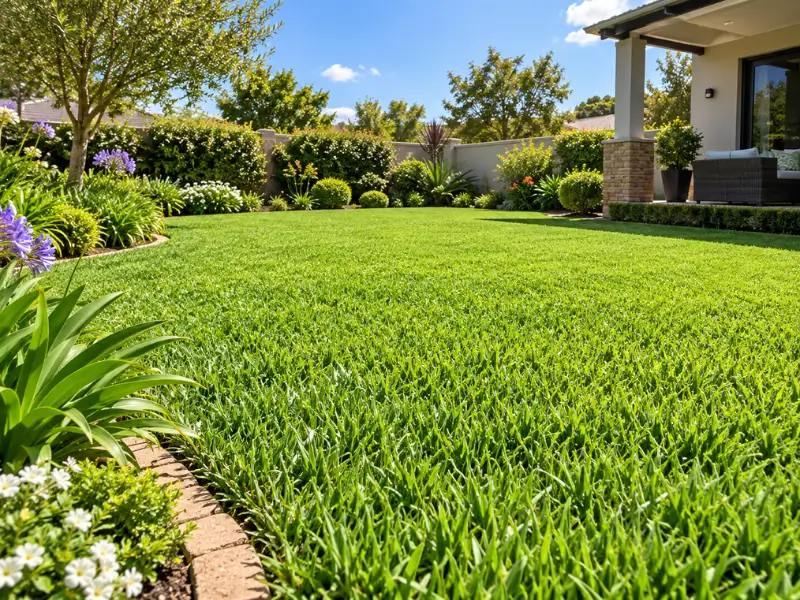
Kikuyu Grass
Kikuyu is a fast-growing, hard-wearing grass that performs particularly well in sunny Gauteng gardens. It spreads quickly during the warmer months, recovers well from regular use and is a practical choice for busy outdoor areas.
It does need good sunlight to stay dense and healthy, so it is better suited to open areas than heavily shaded parts of the garden.
Best suited to:
Full sun
Family gardens
High-traffic areas
Lawns that need to recover well after regular use
Gardens where fast, dense growth is preferred
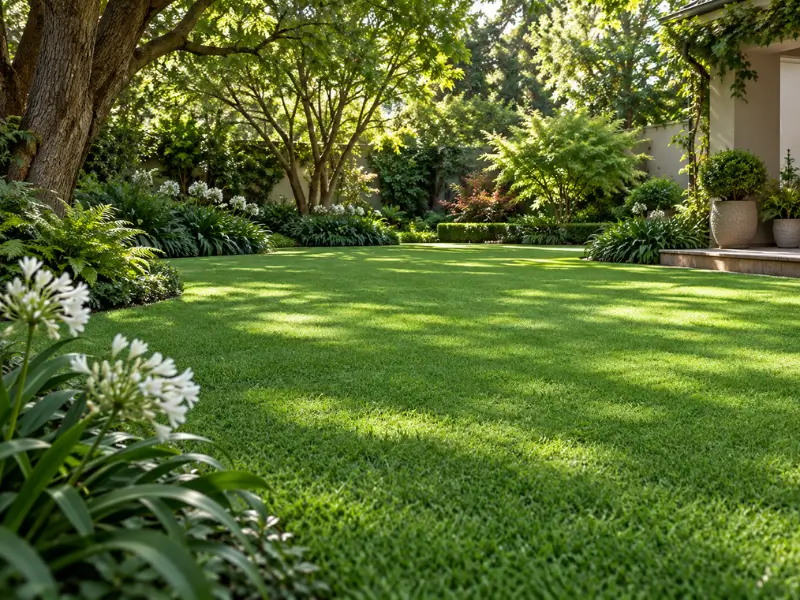
LM Berea Grass
LM Berea is a softer, finer grass that works well in Johannesburg gardens where shade is a bigger factor. It can grow in full sun too, but it is especially useful in areas that receive filtered light or partial shade during the day.
It forms a dense, attractive lawn under the right conditions and is well suited to gardens where appearance and comfort matter as much as durability.
Best suited to:
Partial shade
Filtered sunlight
Lower to moderate foot traffic
Gardens with trees or shaded sections
Lawns where a softer, finer finish is preferred
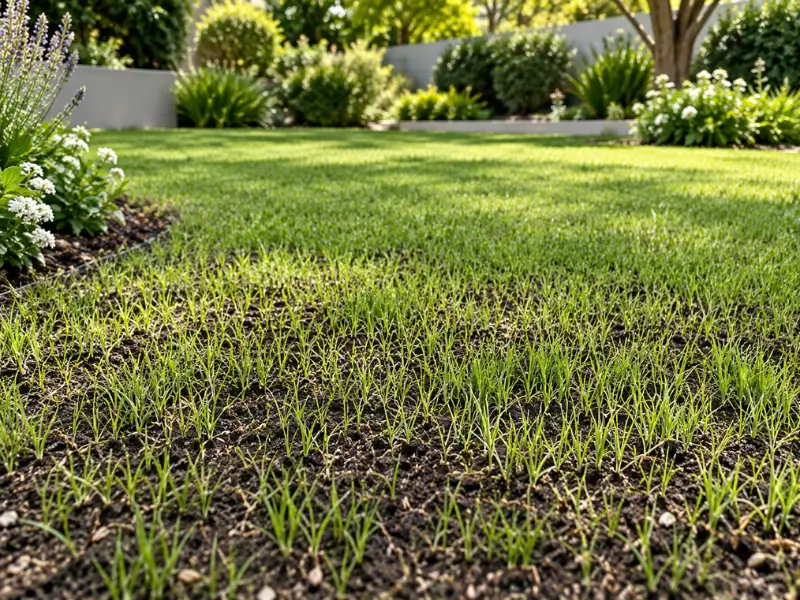
Seeded Grass
Seeded grass is a good option for fine lawns in areas with little or no foot traffic. Instead of laying pre-grown turf, the lawn develops from a grass seed mixture planted directly into prepared soil.
It takes longer to establish than instant lawn, but it can produce a smooth, refined finish when the conditions are right and the area can be protected while the grass develops.
Best suited to:
Fine lawns
Low-traffic areas
Decorative garden spaces
Areas that can be kept off while the grass establishes
Lawns where appearance is the main priority
Start Your New Lawn With Confidence
The best option depends on the conditions you are working with. We assess sunlight, soil, drainage and how the area will be used before recommending the most suitable method for your lawn installation.
Our New Lawn Installation Process

1. Site Assessment
We start by checking the area as a whole, including sunlight, shade, soil condition, drainage, access and how the space will be used. We also look at the condition of any existing lawn and identify anything that may need attention before installation, such as poor drainage, uneven ground, old turf, roots or landscaping work.

2. Ground Preparation
Old or failed lawn, weeds, rubble, roots and debris are removed where necessary so the new lawn has a clean base. The ground is then prepared and levelled to create an even surface and improve contact between the grass and the soil below. If required, this stage can also include tree removal or stump grinding before installation.

3. Soil Improvement
The condition of the soil has a direct impact on how well the new lawn establishes. Where needed, we improve the soil with topsoil, compost or other amendments to support root development, structure and drainage. Any obvious soil or moisture issues are addressed before they are covered by new grass.
4. Grass Selection
We choose the lawn type based on the area and how it will be used. Kikuyu suits sunny, higher-traffic spaces, while LM Berea works well in areas with more shade. Seeded lawn may suit fine, low-traffic areas, and different parts of the same garden can require different grass types.

5. Lawn Installation
Once the area is ready, we install the selected lawn using the method best suited to the space. Instant lawn is laid closely over the prepared surface to reduce gaps and support even establishment, while seeded lawn is applied directly to prepared soil for germination and early growth.
6. Initial Watering
New grass needs consistent moisture during the early stages of establishment. We provide clear watering guidance based on the lawn type, weather and soil conditions. This helps keep the roots hydrated without leaving the area excessively wet or waterlogged.

7. Early Establishment
Instant lawn begins developing roots into the soil below during the first few weeks, while seeded lawns take longer to germinate, thicken and develop full coverage. During this period, we advise on foot traffic, watering and early care so the lawn has time to settle without unnecessary stress.
8. Follow-Up Care
Aftercare is included as part of the service. We return once the lawn reaches the right stage to roll and cut the new grass, apply a specialist lawn booster and check how well it is establishing. We also provide guidance on watering, mowing and ongoing care so you know what the lawn needs as it continues to develop.
What Happens After Your Lawn Is Installed
Week 1
Weeks 2-3
Instant lawn should start forming stronger roots into the soil below. Watering can gradually be adjusted as the lawn establishes, but heavy use should still be avoided.
Seeded lawns will still be filling in during this stage and need continued care while coverage develops.
The First Cut
The lawn should only be mowed once it is well established and has reached a suitable height. Cutting too early can disturb new roots.
As part of our aftercare service, we return to roll and cut the lawn at the appropriate stage.
Early Feeding
Once the lawn is ready, we apply a specialist lawn booster to support healthy growth and continued establishment.
We also provide guidance on watering, mowing and ongoing care as the lawn moves beyond the early establishment stage.
Once the Lawn Is Established
As the roots strengthen, watering can gradually move toward a normal routine and regular use can increase. Mowing and feeding can then continue as part of ongoing lawn maintenance, helping the grass stay healthy as it matures.
Does Your Lawn Need Replacing?
Brown Areas
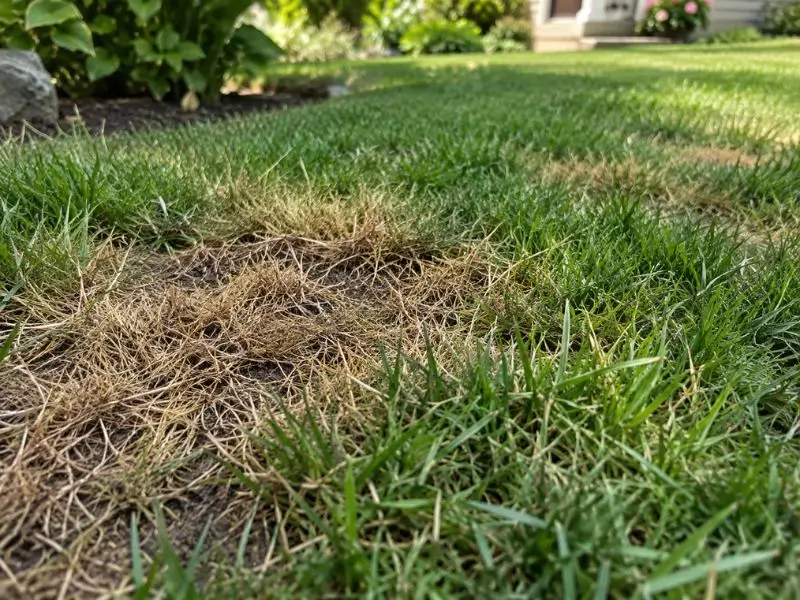
Brown patches can develop from drought stress, pests, disease, compacted soil or seasonal damage. If enough healthy grass remains, targeted treatment may help the lawn recover.
Soggy Areas
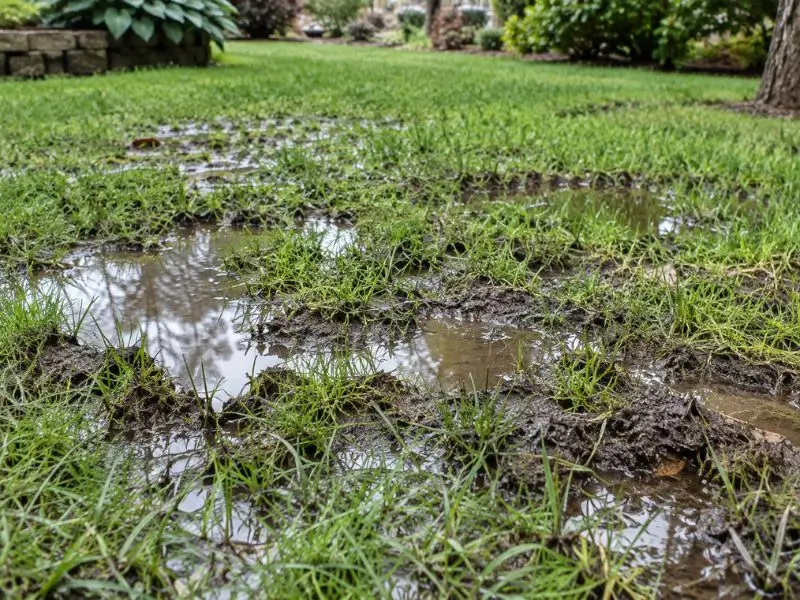
Water that sits on the surface often points to drainage or compaction problems. Laying new turf over wet ground can lead to poor rooting, so the drainage issue needs to be addressed first.
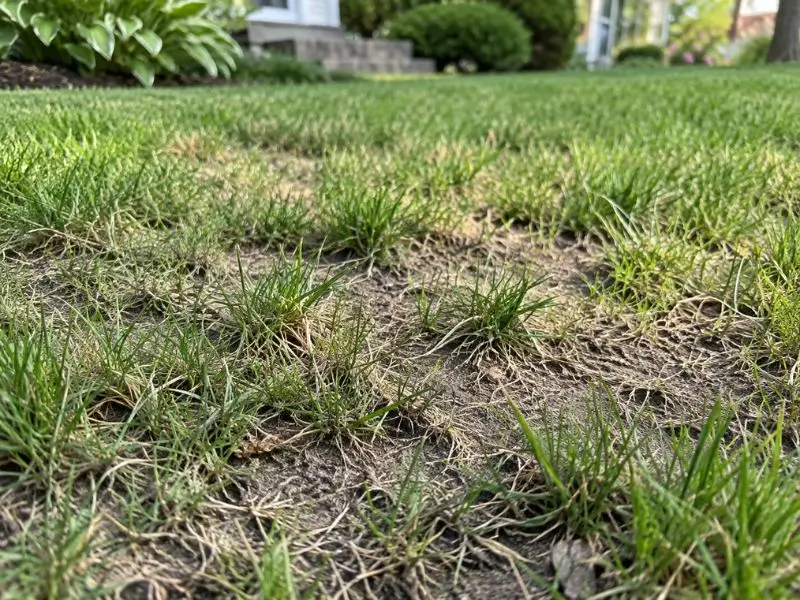
Thinning Grass
Thin growth can be linked to shade, worn soil, heavy use, poor nutrition or the wrong grass type for the area. Some lawns respond well to treatment, while others may need sections replanted with a better-suited variety.
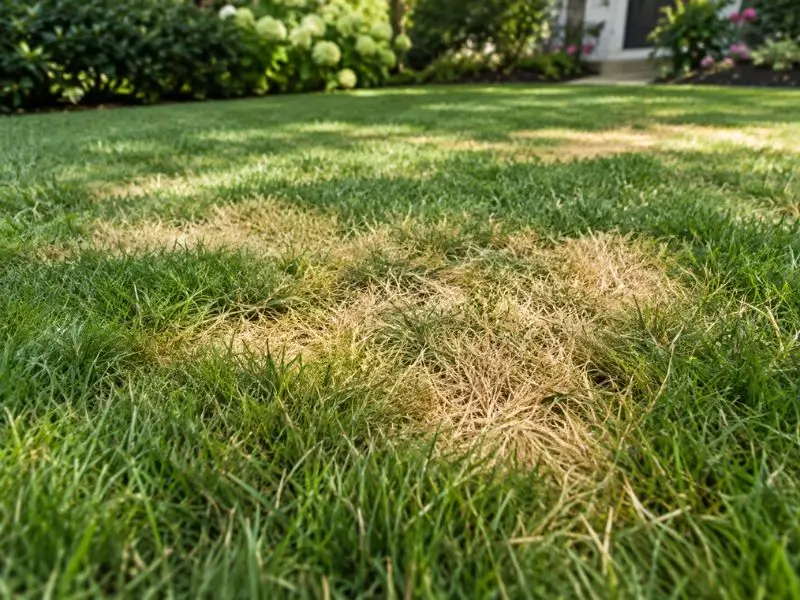
Yellow Spots
Yellowing can be caused by nutrient imbalances, watering issues, pests, disease or pet urine. The pattern and spread of the damage usually give useful clues about what is happening.
Some lawn problems can be improved with targeted treatment rather than full replacement. If new lawn installation is not the right next step, we offer a range of treatments designed to improve the condition, strength and overall performance of an existing lawn.
Why Choose Lawn Care Plus
A new lawn is a long-term investment in your property, and Lawn Care Plus brings a proven track record in lawn installation, along with the support needed to help your lawn establish properly from the start.
Brits Valley Turf
We source our Kikuyu and LM Berea grass directly from our farmer in the Brits Valley, giving us a consistent supply of quality turf that is ready for professional installation and suited to local growing conditions.
20+ Years of Experience
For over two decades, we have worked with lawns across Johannesburg and Gauteng, building hands-on experience with local soils, seasonal conditions and the practical challenges that can affect how well a new lawn establishes.
Aftercare Included
Our service continues after installation. We return to roll and cut the new lawn, apply a specialist lawn booster and provide practical guidance on watering and early care so the grass has proper support while it establishes.
New Lawns For Homes And Businesses
From private gardens and residential complexes to offices, business parks and commercial properties, we install and replace lawns across Johannesburg and surrounding areas. Our team can handle everything from smaller garden upgrades to larger lawn installation projects, with the same focus on a clean finish, proper establishment and long-term performance.